

Everything You Need to Know Before You Buy
There’s something almost magnetic about a well-crafted walnut dining table. The moment you walk into a room where one sits, it draws your eye — the deep, honeyed grain, the warmth it radiates even in the coldest light. It’s the kind of furniture people gather around not just for meals, but for decades of memories. If you’ve been considering adding one to your home, you’ve made an excellent instinct worth exploring.
But choosing the right walnut dining table is no small decision. With so many styles, sizes, finishes, and price points available — from the earthy charm of a solid walnut dining table to the sleek clean lines of a modern walnut dining table — it can feel overwhelming. This guide cuts through the noise. Whether you’re furnishing a compact kitchen or a sprawling open-plan dining space, you’ll find everything you need to make a confident, informed decision right here.
We’ll walk through why walnut stands apart from other hardwoods, what to look for in construction quality, how to match a walnut wood table to your interior style, and the must-know maintenance tips that will keep your investment looking stunning for generations. Let’s get into it.
Why Walnut Wood Has Earned Its Place at the Table
Walk into any high-end furniture showroom or scroll through the pages of an interior design magazine, and you’ll notice one material appearing again and again: walnut. It’s not a trend. It’s a love affair that’s lasted centuries, and for very good reason.
Walnut tables are prized above almost all other hardwoods because of a rare combination of qualities: visual richness, structural density, and workability. The grain is naturally dramatic without being chaotic — it flows in long, sweeping lines interrupted occasionally by beautiful figuring like curls, crotch patterns, and bird’s-eye formations. No two walnut wood tables are identical, which means you’re not buying a piece of furniture so much as a singular object.
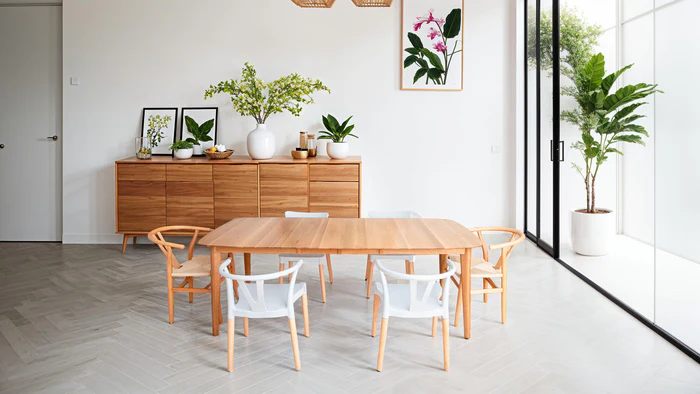
A beautifully crafted solid walnut dining table instantly elevates any dining space — the natural grain does all the decorating for you.
From a structural standpoint, walnut scores around 1010 on the Janka hardness scale — comfortably harder than cherry and comparable to many oak varieties. It’s dense enough to resist everyday dents and scratches, yet not so hard that craftsmen can’t work it with precision joinery. This balance is exactly why it’s been the preferred timber for everything from rifle stocks to grand pianos and, of course, dining table walnut pieces that anchor a home’s heart.
The Difference Between American Black Walnut and European Walnut
Not all walnut is created equal, and if you’re shopping for a black walnut table or comparing options from different makers, understanding the species distinction matters.
American Black Walnut (Juglans nigra) is the gold standard for furniture. It grows primarily across the eastern and central United States, producing timber with a rich chocolate-to-purple-brown heartwood, straight to slightly wavy grain, and exceptional stability when kiln-dried. A genuine black walnut table made from this species carries a depth of colour that few other woods can match.
European Walnut (Juglans regia) — also called English or Circassian walnut — tends to be slightly lighter in tone, with more pronounced figuring and a creamier sapwood contrast. It’s the more common choice in a walnut dining table UK context, partly due to sourcing proximity, and it carries its own distinct elegance.
Both are superb. The right choice depends on your colour preference, your supplier’s sourcing, and your budget — black walnut typically commands a higher price per board foot due to slower growth and higher demand.
Solid Walnut vs. Walnut Veneer: Know What You’re Buying
One of the most important distinctions to understand before spending a penny is whether you’re looking at a solid walnut dining table or a veneer product. Both have their place, but they are very different things.
What Is a Solid Walnut Dining Table?
A solid walnut dining table is constructed entirely — or at least primarily — from genuine walnut timber. The tabletop, aprons, and legs are all solid wood. When you look at the underside of the table, you’ll see the same material all the way through. You can sand it, refinish it, repair scratches, and pass it down to your grandchildren in perfectly restored condition.
The best solid walnut tables are built with a strong understanding of wood movement. Walnut, like all solid wood, expands and contracts seasonally with changes in humidity. A well-made piece accounts for this with breadboard ends, floating tabletop fasteners, or frame-and-panel construction. Poor construction ignores this physics and leads to splitting or warping within a few years — a red flag to watch for when examining any piece.
Veneer and Engineered Wood Options
Veneer products use a thin slice of real walnut bonded over an engineered core such as MDF or plywood. Done well, they’re visually indistinguishable from solid wood at a glance and significantly more dimensionally stable (the core doesn’t move with humidity). Done poorly, they chip, peel, and cannot be refinished meaningfully.
For budget-conscious buyers, a high-quality veneer walnut kitchen table from a reputable manufacturer can be a perfectly sensible choice — especially in environments with fluctuating humidity like kitchens. Just be honest with yourself about what you’re buying and price your expectations accordingly.
The Style Spectrum: Finding Your Perfect Walnut Table
This is where things get genuinely exciting. Walnut is one of the most versatile furniture timbers in existence. Its warm tonality and distinctive grain mean it reads beautifully across a surprisingly wide range of interior styles.
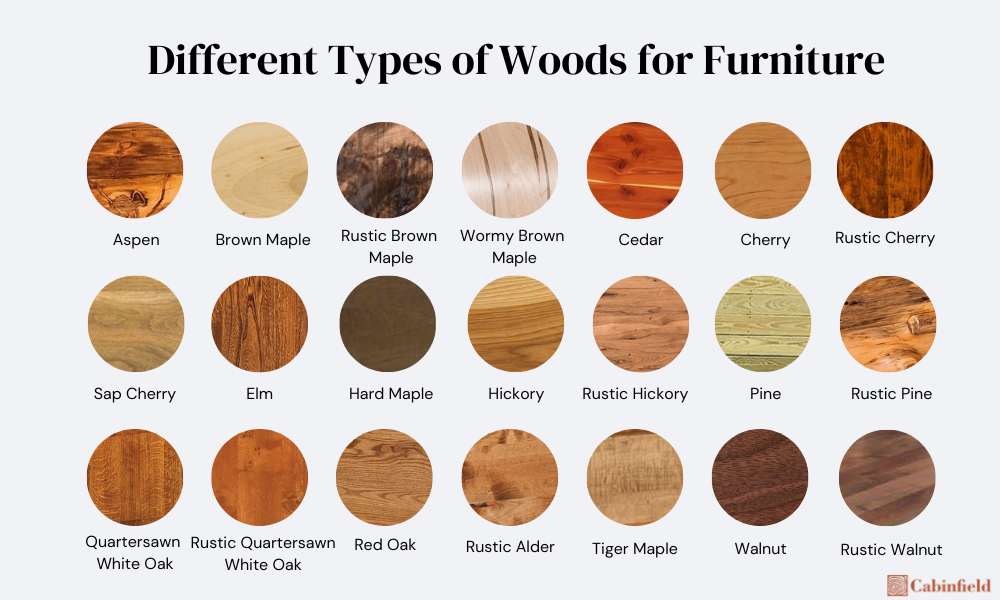
Different walnut species, grain types, and finish options each suit a different interior style — knowing the differences helps you buy with confidence.
Mid-Century Modern Walnut
The mid-century revival shows no signs of slowing down, and walnut tables sit at its very heart. Think tapered legs, clean horizontal profiles, minimal ornamentation, and that classic contrast between dark walnut and white or pale grey interiors. A modern walnut dining table in this style typically features a solid tabletop with gently splayed solid wood legs and simple mortise-and-tenon joinery you can see and appreciate.
These pieces work beautifully in open-plan living and dining spaces, particularly when paired with Eames-inspired chairs or upholstered seat pads in mustard, sage, or terracotta.
Contemporary and Minimalist Designs
A contemporary walnut dining table takes walnut’s warmth and strips everything back to pure form. These are the tables where the slab is the star — live-edge pieces where a single bookmatched walnut slab sits on hairpin legs or a powder-coated steel base, celebrating the natural edge of the tree itself.
This style is particularly popular in loft-style spaces, architect-designed homes, and interiors that blend industrial materials (raw concrete, exposed brick) with natural warmth. The contrast between cold and warm is electric.
Traditional and Farmhouse Walnut
Don’t assume walnut only suits contemporary spaces. A dark walnut dining table with turned legs, a trestle base, or classic Queen Anne styling fits seamlessly into traditional dining rooms where heritage and gravitas matter. The darkness of the wood pairs beautifully with antique brass hardware, linen tablecloths, and vintage china.
Scandi and Japandi Influences
Lighter walnut tones — particularly American walnut that has been lightly oiled rather than heavily lacquered — work beautifully in Scandinavian and Japandi interiors. The grain becomes more subtle, the warmth more understated, and the piece settles into a room rather than commanding it. Pair with ceramic pendant lights, rattan chairs, and linen textiles for a deeply restful aesthetic.
Extendable Walnut Dining Tables: Flexibility Without Compromise
For most households, a walnut dining table extendable design is worth serious consideration. Life is unpredictable — families grow, guests arrive, and the table that seats four on a Tuesday evening needs to seat ten on Christmas Day.
Types of Extension Mechanisms
The quality of an extension mechanism matters enormously. Here are the main types you’ll encounter:
- Butterfly leaf extensions: The leaf folds and stores inside the table itself, deploying with a simple pull-apart motion. Elegant and practical, though they reduce legroom slightly when extended.
- Drop-in leaves: A separate leaf or leaves that are inserted into the gap when you pull the table apart. These store separately but offer the cleanest look when not in use.
- Sliding extensions: Some designs use a track system where additional surfaces slide out from beneath the tabletop. These are common in Scandinavian designs and tend to be very smooth.
When shopping for an extendable dining table walnut option, always test the mechanism in person if possible. It should glide smoothly, align perfectly, and leave no visible gap or height discrepancy at the join. Poor alignment is a telltale sign of low-quality engineering.
How Much Extension Do You Need?
A general rule of thumb: allow 60cm of table width per person, and at least 75cm of table length per person on each side. A table that seats 4-6 might measure 160cm when closed and 220cm when extended. Think about your room dimensions carefully — you’ll also need clearance around the table for chairs to push back comfortably (typically 90-100cm from table edge to wall).
Buying a Walnut Dining Table in the UK: What You Need to Know
The walnut dining table UK market is thriving, with options ranging from flatpack imports to bespoke handmade pieces from British furniture makers. Here’s how to navigate it intelligently.
Key Things to Verify Before You Buy
- Timber source and certification: Look for FSC (Forest Stewardship Council) certification, which guarantees the walnut was sourced from responsibly managed forests.
- Moisture content: Solid walnut should be kiln-dried to 8-10% moisture content before being used in furniture. Higher moisture content means the wood will continue to move significantly after manufacture.
- Finish type: Oiled finishes penetrate the wood and enhance grain appearance beautifully but require periodic maintenance. Lacquered finishes are more durable and water-resistant but harder to repair locally if damaged.
- Lead times: Quality handmade walnut tables from British craftspeople typically carry 6-12 week lead times.
- Returns policy: Solid wood furniture is heavy and expensive to return. Check policies carefully, especially for online purchases.
Price Benchmarks for Walnut Dining Tables UK
| Category | Typical Price Range | What You Get |
| Entry-level / Veneer | £300 – £800 | Imported veneer, basic construction |
| Mid-range solid walnut | £900 – £2,500 | Solid walnut, factory-made, good quality |
| Premium / Handmade | £2,500 – £8,000+ | British-made, bespoke, heirloom quality |
The Walnut Kitchen Table: A Special Consideration
A walnut kitchen table occupies a different functional space than a formal dining room piece. It needs to withstand daily use — homework sessions, coffee cups, impromptu chopping boards accidentally placed on its surface, and the general chaos of family life.
For kitchen environments specifically, consider the following: Finish is everything. In a kitchen setting, a lacquered or hardwax oil finish with high water resistance is preferable to a pure penetrating oil finish. Spills happen faster than you can grab a cloth.
Avoid live edge in high-traffic kitchens. The natural edge on a live-edge table harbours crumbs, liquids, and grime in ways that a clean straight edge doesn’t. Practicality should trump Instagram appeal here.
Consider a darker finish. A dark walnut dining table or kitchen table hides everyday marks and ring stains far better than a lighter, more natural finish — though be aware that very dark finishes can obscure the beautiful grain that makes walnut worth buying in the first place.
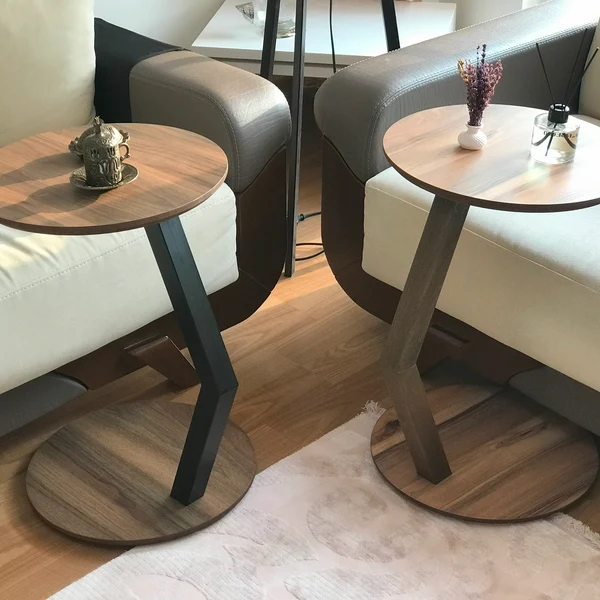
A walnut side table is a beautiful and accessible way to introduce this timeless material into your home — and a smart test before investing in a full dining set.
The Walnut Side Table: Completing the Picture
Once you’ve fallen in love with walnut tables, it’s hard to stop at just the dining table. A walnut side table is the perfect accent piece to carry the material through your living or dining space — a coffee table, a bedside piece, or a console in the hallway.
A walnut side table also offers an accessible entry point if a full dining table is beyond your current budget. A well-chosen side piece lets you live with the material, understand how it ages in your specific home environment, and build confidence before committing to a larger purchase.
Look for the same construction quality markers: solid timber or high-quality veneer over a stable core, well-finished edges, smooth drawer mechanisms if applicable, and a base that doesn’t wobble. Even small pieces deserve proper joinery.
How to Care for Your Walnut Dining Table
The good news: walnut is not a demanding material. The better news: the maintenance it does require actually makes it look better over time. Here’s how to keep your dining table walnut looking spectacular.
Daily Care
- Wipe up spills immediately, especially water, wine, and acidic liquids
- Use placemats and coasters — not because walnut is fragile, but because protection preserves the finish
- Use a soft, dry or lightly damp cloth for routine cleaning; avoid abrasive cleaners or anything containing bleach
Periodic Maintenance
For oiled surfaces, re-oil every 12-24 months (or whenever the surface starts to look dry or dull). Use a food-safe hardwax oil or Danish oil specifically formulated for walnut. Apply with a lint-free cloth, allow to penetrate, and buff off excess.
For lacquered surfaces, clean with a slightly damp cloth and a mild, pH-neutral cleaner. Avoid excessive moisture near joints. Deep scratches require professional refinishing — the entire surface usually needs to be stripped and relacquered for a consistent result.
Sunlight and Heat
Walnut will lighten noticeably with prolonged UV exposure — a process called photodegradation. This isn’t necessarily negative; aged walnut takes on a warm golden-brown that many owners find even more beautiful than the original dark chocolate. However, if you have a rug or placemat covering part of the surface, expect a visible contrast to develop over time. Rotate objects occasionally to allow even exposure.
Keep walnut furniture away from direct heat sources like radiators, which cause localised drying and potential cracking.
Common Mistakes to Avoid When Buying Walnut Furniture
Even experienced buyers fall into traps. Here are the most common mistakes and how to sidestep them.
- Mistaking the spelling for quality: You’ll occasionally see listings for a ‘wallnut table‘ — the misspelling is simply a typo, not a product category, but it’s worth knowing searches for ‘wallnut table‘ often surface lower-quality imported goods.
- Buying based on photographs alone: Walnut’s colour varies dramatically based on lighting, finish, and photography processing. Always request a physical sample or view the piece in a showroom before buying.
- Ignoring the base: A stunning walnut tabletop mounted on a poorly made base is still a poorly made table. Examine legs for tight joinery, appropriate thickness, and a finish that matches the top.
- Overbuying on size: A table that’s too large for a room is both functionally awkward and visually suffocating. Measure your space with tape and mark out the table dimensions with masking tape on the floor before committing.
- Neglecting the chairs: A walnut dining table modern or traditional deserves chairs chosen with equal care. Ensure chair arms clear the table apron and seat height is appropriate for your table height.
Frequently Asked Questions About Walnut Dining Tables
Is a solid walnut dining table worth the investment?
Absolutely — if you’re comparing lifetime value rather than upfront cost. A well-made solid walnut dining table from quality timber can last 50-100+ years with basic maintenance. When you divide the cost by years of use, it often outperforms cheaper alternatives significantly. It also holds resale value far better than veneer or engineered wood furniture.
How do I tell if a walnut table is genuinely solid wood?
Examine the underside — solid wood shows the same grain pattern all the way through. Check the edges of the tabletop: solid wood will show end grain at the short ends. Look for breadboard ends or visible movement accommodation. If the edge looks perfectly identical to a cross-section photo of walnut, it’s almost certainly a veneer.
What is the best finish for a walnut dining table?
It depends on your lifestyle. Hardwax oil finishes (like Osmo or Rubio) penetrate deeply, enhance grain beautifully, and are easy to spot-repair. Lacquer finishes offer superior protection and are better for households with young children. Both are legitimate choices — the ‘best’ finish is the one that fits your maintenance willingness and daily use patterns.
How long does a walnut dining table take to deliver in the UK?
For quality handmade pieces from British furniture makers, expect 6-12 weeks. Imported furniture from European and Asian manufacturers typically ships in 2-6 weeks. Stock items from large retailers can be immediate. Always confirm lead times at point of order.
Can I use a walnut dining table outdoors or in a conservatory?
Standard interior walnut furniture is not suitable for outdoor use. If you have a conservatory with significant temperature fluctuations, be cautious — prolonged exposure to extreme temperature swings and high UV through glass can stress solid wood. Choose a piece specifically finished for high-light environments and use UV-protective window film if possible.
How do I fix scratches on a walnut dining table?
For oiled surfaces: light scratches can often be buffed out with fine-grade wire wool (0000 grade) followed by a fresh application of oil. For deeper scratches on lacquered surfaces, a furniture repair kit can fill and colour-match minor damage. Very deep scratches or structural damage are best referred to a professional furniture restorer.
What chairs go best with a walnut dining table?
The beauty of walnut is its versatility. Upholstered fabric or velvet chairs add softness and contrast. Wooden chairs in walnut, oak, or beech create a cohesive natural look. Metal-frame chairs provide a contemporary counterpoint. Ensure chair arms clear the table apron and that seat height is appropriate for your table height.
Is walnut darker than oak?
Generally yes. Walnut’s heartwood ranges from warm mid-brown to deep chocolate with purplish undertones. Oak ranges from pale cream to warm honey. If you’re choosing between a dark walnut dining table and an oak alternative, get physical samples in your actual space — artificial and natural light affect both timbers significantly.
How much should I budget for a good walnut dining table in the UK?
For a genuine solid walnut dining table of acceptable quality, budget at least £900-£1,200 for an entry-level factory-made piece. For something genuinely heirloom quality made by skilled British craftspeople with premium timber, £2,500-£5,000 is a realistic range. Beyond that, you’re in bespoke territory where price is limited only by specification and maker reputation.
Does a contemporary walnut dining table suit a traditional home?
Beautifully, in most cases. The warmth of walnut naturally bridges traditional and contemporary aesthetics. A contemporary walnut dining table with a simple, clean design often feels more at home in a period property than you might expect — because the material itself has warmth and patina that reads as heritage, regardless of the form.
Bringing It All Together
A walnut dining table is more than a purchase — it’s a decision that will shape daily life in your home for years, possibly generations. The good news is that walnut, more than perhaps any other furniture timber, rewards patient consideration. It ages magnificently. It adapts across styles. It holds value. And it brings a quality of warmth and beauty to a dining space that’s genuinely difficult to replicate with any other material.
Whether you’re drawn to the graphic drama of a live-edge black walnut table, the everyday practicality of an extendable dining table walnut design, the compact versatility of a walnut kitchen table, or the quiet elegance of a contemporary walnut dining table, the principles remain the same: buy the best quality you can afford, prioritise solid timber where budget allows, understand the finish you’re choosing, and measure your space meticulously. Take your time. Visit showrooms. Request samples. Ask makers where their timber comes from and how it was dried. The extra effort you invest upfront is repaid a hundred times over in a piece that becomes a genuine focal point of your home — the place where your family gathers, where stories are told, where memories collect as surely and as beautifully as the grain rings in the wood itself.