

There’s a certain frustration that hits when you pull a shirt out of the wash and it looks worse than when it went in. Colors faded. Fabric pilling. A stain that somehow spread instead of disappeared. If that sounds familiar, it’s not you — it’s the method. And that’s exactly where the washing guide livpristwash comes in.
Most people wash clothes the same way they learned as teenagers: shove everything in, pour some detergent, hit start. But premium fabrics and high-quality garments don’t respond well to guesswork. The washing guide livpristwash was developed specifically to close that gap — turning a routine chore into a reliable, repeatable system that actually protects your clothes instead of slowly destroying them.
This guide walks you through every phase, from prep to dry, with the kind of detail that most washing instructions skip entirely. Whether you’re caring for a single LivPrist piece you love or overhauling your entire laundry routine, what you’re about to read will change how you think about washing clothes. Permanently.
Why Most People Wash Clothes Wrong (And Don’t Know It)
Here’s a number that tends to surprise people: according to research from the American Cleaning Institute, nearly 60% of laundry-related fabric damage happens not from regular wear — but from improper washing. Agitation that’s too aggressive. Water that’s too hot. Detergent residue that builds up and stiffens fiber over time.
That stat matters because it means most of the damage done to your clothes is preventable. You don’t need better clothes. You need a better washing process.
The washing guide livpristwash is built on one foundational idea: that what happens before your clothes hit the machine matters just as much as what happens inside it. Most guides skip straight to settings and temperatures. This one doesn’t.
The Most Common Washing Mistakes
Understanding where things go wrong is half the fix. Here are the five mistakes that quietly ruin garments over time:
- Overloading the drum. Clothes need room to move through water to get clean. A packed drum traps dirt and strains both fabric and seams.
- Using too much detergent. More soap does not mean cleaner clothes. Excess detergent leaves residue that attracts dirt and reduces fabric breathability.
- Washing everything in cold out of habit. Cold works well for most loads, but active wear and heavily soiled items need a slightly higher temperature to actually release bacteria and oils.
- Ignoring the spin speed. High spin settings damage delicate weaves. Fabric loses its shape faster when it’s spun too hard.
- Mixing dark and light loads. This one’s obvious — until it isn’t. Even faded darks can bleed onto pale fabrics after dozens of washes.
Before You Load: The Pre-Wash Checklist
The washing guide livpristwash starts at the supply drawer, not the machine. Getting your materials in order before you touch a single piece of clothing prevents the small errors that compound over time.
What You’ll Need
- Liquid detergent (dissolves at all water temperatures and can be applied directly to stains)
- A soft-bristle stain brush
- Microfiber cloths — color-coded if possible (one color for delicates spot-cleaning, another for surfaces)
- An HDPE spray bottle for diluting pre-treatment solutions
- White vinegar for the rinse cycle (optional but effective)
- An oxygen-based booster for whites and heavily soiled items
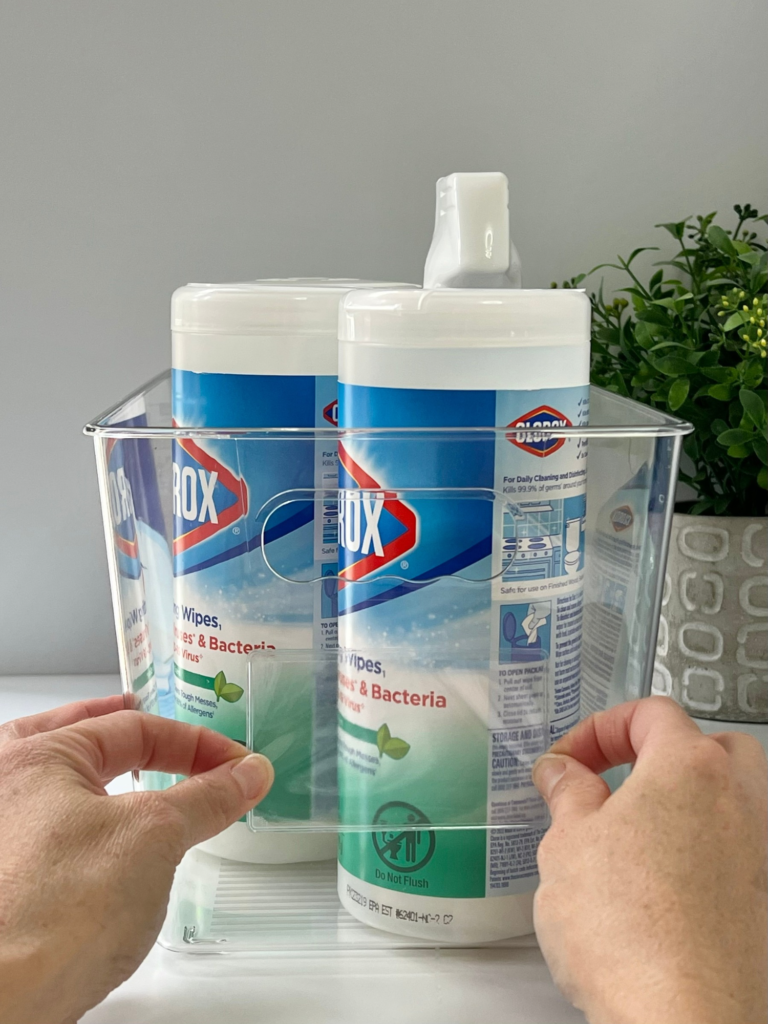
Gather all your supplies before you start — the washing guide livpristwash recommends liquid detergent, microfiber cloths, and a soft-bristle brush as your core kit.
Liquid detergent is the recommended choice in the washing guide livpristwash because it gives you flexibility. It works in both cold and warm water, and you can apply it directly to stains before loading. Powder detergent has its place, but it can clump in cold water and leave residue on darker fabrics — a problem liquid avoids entirely.
Sorting: The Step That Saves Your Clothes
Sorting is not about being fussy. It’s about chemistry. Different fabric types, colors, and soil levels need genuinely different conditions to get clean without damage.
Sort into at least three piles:
By color:
- Whites and very pale neutrals
- Medium tones (grays, beige, tan)
- Darks and deep colors (navy, black, charcoal, saturated jewel tones)
By fabric weight:
- Delicates (lingerie, silk, fine knitwear, linen blouses)
- Mediums (t-shirts, cotton tops, light trousers)
- Heavies (jeans, towels, sweatshirts, bedding)
By soil level:
- Lightly worn (worn once, no visible soil, not sweated in heavily)
- Normal
- Heavily soiled (gym wear, work clothes, anything with visible staining)
Mixing these categories is where the damage starts. Heavy items abrade delicates during agitation. Dark dyes migrate onto light fabrics during hot washes. Heavily soiled items contaminate lightly worn ones. The washing guide livpristwash treats sorting as non-negotiable — and once you make it a habit, it adds only about two minutes to your routine.
Reading Care Labels: What Those Symbols Actually Mean
Care labels are the manufacturer’s instructions, not suggestions. The symbols printed on the inside tag of every garment carry specific, technical information about the maximum conditions that fabric can handle without damage.
Here are the ones that matter most:
| Symbol Meaning | What It Tells You |
|---|---|
| Tub with number | Maximum wash temperature in °C |
| Tub with hand | Hand wash only — no machine |
| Circle | Dry cleaning required |
| Square with circle | Tumble dry |
| Square with horizontal lines | Lay flat to dry |
| Triangle | Bleach instructions |
| Iron with dots | Ironing temperature |
The number inside the wash tub is a maximum, not a target. If it says 40°C, that means never exceed 40°C — it doesn’t mean 40°C is always required. In practice, going slightly cooler than the maximum is often the better choice for preserving color and fiber integrity long-term.
Water Temperature: Getting It Right Every Time
Water temperature is where most well-intentioned washing routines fall apart. The instinct to always use cold to “be safe” is understandable — but it’s not always correct. The washing guide livpristwash uses a simple decision framework.
Cold Water (20–30°C)
Best for: delicate fabrics, dark colors, lightly worn items, and anything labeled “cold wash.”
Cold water protects dye molecules and reduces shrinkage risk. It’s energy-efficient and perfectly adequate for clothes that aren’t truly dirty — worn once, no heavy sweating, no stains.
Warm Water (30–40°C)
Best for: synthetic fabrics, moderately soiled items, and most everyday cotton clothing.
This is the workhorse temperature range. Warm water dissolves detergent more effectively than cold, and it releases oils and light soil from fabric fibers without the color-fading risk of hot.
Hot Water (50–60°C)
Best for: whites, heavily soiled items, towels, bed linens, and gym wear where bacteria removal matters.
Hot water kills bacteria and breaks down oils that warm water misses. But it also accelerates dye fading and can cause shrinkage in natural fibers — which is why it should be reserved for items that genuinely need it.

a temperature dial visual showing which fabric types fall into cold / warm / hot categories, styled cleanly with the LivPrist color palette
The Wash Cycle: Choosing the Right Setting
Machine wash cycles are more specific than most people realize. The washing guide livpristwash recommends matching your cycle to your fabric category, not just picking “normal” by default.
Delicate / Gentle Cycle
Uses slow agitation and a slower spin speed. Use this for: lingerie, silk, fine knitwear, anything with embellishment, and loosely woven fabrics. The gentler tumbling action protects fiber structure and reduces pilling.
Normal / Cotton Cycle
Stronger agitation and a full spin. Use this for: everyday cotton, mixed-fiber garments, and moderately soiled loads. This is the right cycle for the majority of your washing — but it’s not appropriate for delicates, regardless of water temperature.
Synthetics / Permanent Press Cycle
Moderate agitation with a cool-down period before the final spin. Use this for: polyester, nylon, rayon, and blended fabrics. The cool-down prevents wrinkles from setting in synthetic fibers.
Heavy Duty Cycle
Maximum agitation and extended wash time. Use this for: denim, towels, heavily soiled workwear, and cotton bed linens. Not for anything delicate, ever.
One detail the washing guide livpristwash emphasizes that most guides overlook: spin speed. Even if you select the right cycle, a high spin speed on delicate items will cause damage. Most machines let you adjust spin speed independently — drop it to 800 RPM or below for anything fine or loosely woven.
Stain Removal: The Pre-Treatment Protocol
Stains require pre-treatment — not after they’ve sat for three days, but as close to when they happen as possible. The washing guide livpristwash breaks pre-treatment down by stain type, because not all stains respond to the same approach.
Oil-Based Stains (food grease, cooking oil, makeup, body lotion)
Apply liquid detergent or a small amount of dish soap directly to the stain. Work it in gently with your fingers or a soft brush. Let it sit for 5–10 minutes. Do not rinse before loading. The detergent breaks down the oil during the wash cycle.
Protein-Based Stains (blood, sweat, dairy, egg)
Rinse with cold water immediately — not hot, which sets protein stains permanently. Apply an enzyme-based detergent or pre-treatment spray. Let it dwell for 15 minutes, then wash in cool water.
Tannin Stains (coffee, tea, wine, fruit juice)
Rinse with cold water. Apply liquid detergent and work it in. For stubborn tannin stains, soak the affected area in a diluted solution of oxygen-based booster and cold water for 30 minutes before washing.
Ink and Dye Transfer
These are the hardest. Act fast. Apply rubbing alcohol with a microfiber cloth, blotting from the outside edge of the stain inward to avoid spreading. Do not rub. Follow with liquid detergent and wash immediately.
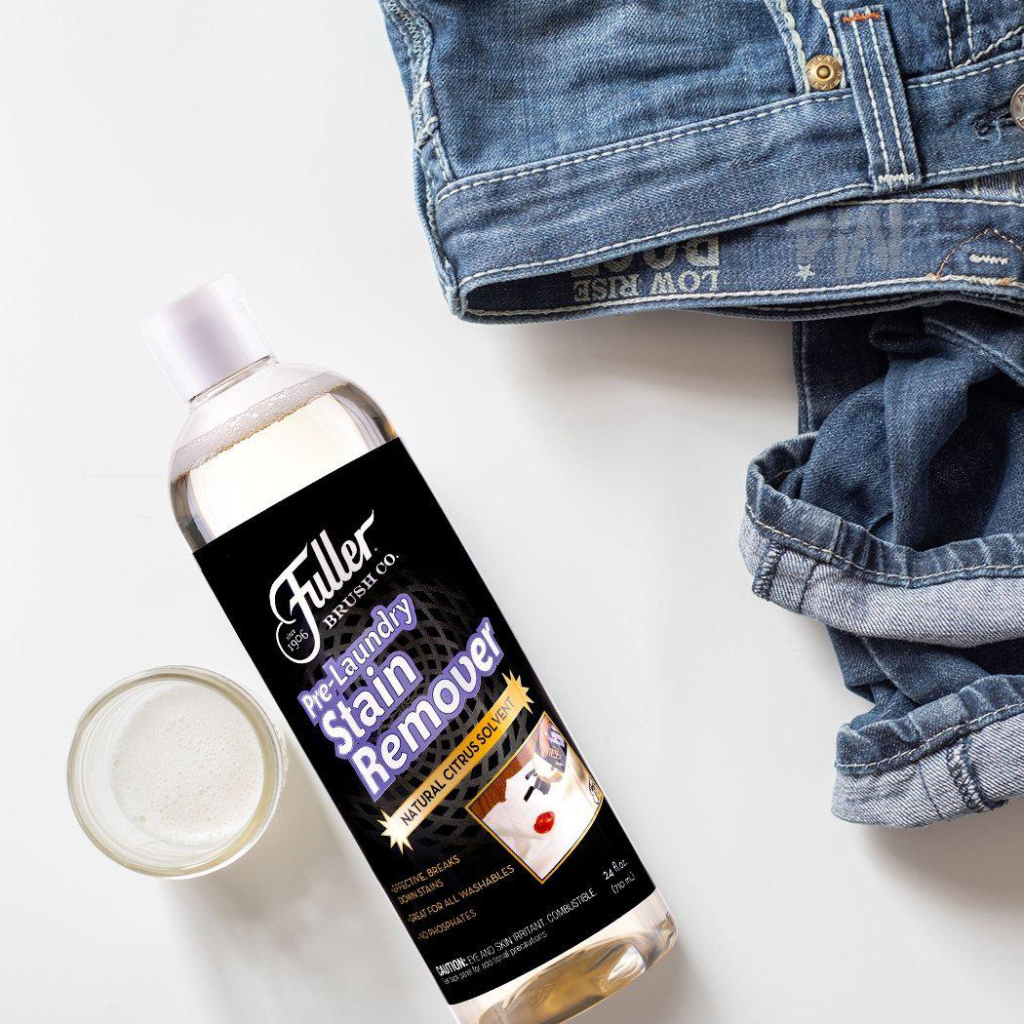
Pre-treating stains before the wash cycle is one of the most effective steps in the washing guide livpristwash — apply liquid detergent directly and let it dwell before loading.
Detergent Dosing: Why Less Is More
A consistent finding across laundry research is that consumers dramatically over-dose detergent. The Soap and Detergent Association found that most people use two to three times more detergent than is actually needed for a typical load. The consequences are real: detergent residue left in fabric attracts more dirt, reduces the effectiveness of future washes, and over time, leaves garments feeling stiff and looking dull.
The washing guide livpristwash recommends starting with the minimum dose on the product label — then adjusting based on results. For small loads or lightly soiled clothing, go below the minimum line. For heavily soiled or oversized loads, go to the maximum — but no higher.
Fabric Softener: Rethinking the Default
Fabric softener is worth reconsidering. It works by coating fiber surfaces with a thin layer of lubricant — which does make clothes feel softer, but reduces the absorbency of towels and performance fabrics. Athletic wear treated with fabric softener loses its moisture-wicking ability over time.
A practical alternative: half a cup of white vinegar in the rinse cycle. It neutralizes detergent residue, softens fiber naturally, and leaves no scent once the fabric is dry. Towels absorb more water. Workout gear breathes better. It’s one of the most reliable tips in the washing guide livpristwash for people who care about both feel and function.
Drying: The Phase Most Damage Happens
If washing is where people make the most mistakes in technique, drying is where the most damage actually occurs. Heat shrinks natural fibers. High tumble heat degrades elastic and synthetic blends. Air-drying incorrectly causes stretching in heavy knits. The washing guide livpristwash treats drying as seriously as washing.
Tumble Drying Guidelines
- Use low heat for natural fibers (cotton, wool, linen) unless the label specifies otherwise.
- Use medium heat for synthetics and blends.
- Remove items while slightly damp and let them finish air-drying. This reduces heat exposure and prevents over-drying, which causes static and fabric stiffness.
- Clean the lint filter before every load. A clogged filter reduces airflow, which means longer drying times and more heat exposure.
Air Drying Best Practices
- Hang knit items flat, not on a hanger. Wet knitwear is heavy and will stretch at the shoulders if hung.
- Hang woven items (button-downs, blouses, trousers) on a hanger immediately after washing to prevent wrinkles.
- Keep colored items out of direct sunlight, which bleaches dye over time.
- Shake each item firmly before hanging to reset the weave and reduce wrinkles.
Building a Washing Schedule That Actually Works
Laundry feels overwhelming when it accumulates. The washing guide livpristwash recommends building a simple weekly schedule rather than letting it pile up and tackling it all at once — which usually means rushing, cutting corners, and mixing loads that shouldn’t be mixed.
A practical framework for a typical household:
- Monday: Darks and heavy items (jeans, gym wear, dark t-shirts)
- Wednesday: Lights and mediums (everyday cotton, work shirts, pale colors)
- Friday or Saturday: Delicates and household linens (hand towels, pillowcases, lingerie)
- Every 2–3 weeks: Deep clean — towels, bedding, outerwear
When laundry runs on a consistent schedule, it stops being a decision. It becomes a system. And a system is what keeps it manageable even in a busy household.
Machine Maintenance: The Overlooked Factor
Your washing machine can only clean clothes effectively if it’s clean itself. The washing guide livpristwash includes regular machine maintenance as part of the overall care system — because a machine that’s accumulating mold, mineral buildup, and detergent residue will never deliver consistently clean results.
Monthly Drum Clean
Run a hot, empty cycle with either a purpose-made drum cleaner or 500ml of white vinegar poured directly into the drum. This removes biofilm, mold spores, and mineral deposits.
Rubber Gasket (Front Loaders)
Wipe the rubber door gasket after every wash with a dry microfiber cloth. This is where mold grows fastest — warm, wet, and dark. A monthly wipe with a diluted solution of white vinegar keeps it under control.
Detergent Drawer
Remove and rinse the detergent drawer monthly. Detergent buildup in the drawer causes clumping and can clog the inlet, which affects how well detergent disperses during the wash.
Filter
Most front-loading machines have a small filter at the base, behind a removable panel. Clean it every three months. It collects lint, loose fibers, and small objects (coins, hairpins) that would otherwise circulate through the machine.
Frequently Asked Questions
How many times should I follow the washing guide livpristwash process before I see a difference?
Most people notice a difference in color vibrancy and fabric feel within three to four wash cycles. The biggest changes come from correct sorting, adjusted detergent dosing, and switching to the appropriate water temperature for each fabric type. Results build over time — fabrics that have accumulated detergent residue from previous over-dosing will take a few washes to fully clear.
Can I use the washing guide livpristwash method on all fabric types?
Yes. The framework covers natural fibers (cotton, linen, silk, wool), synthetics (polyester, nylon, rayon), and blends. The method adjusts by fabric type — the principles stay consistent, but the temperature, cycle, and spin settings change based on what you’re washing.
What’s the best detergent to use with the washing guide livpristwash approach?
Liquid detergent is recommended for most loads because it dissolves at all temperatures and allows for direct stain pre-treatment. For heavily soiled white items, add an oxygen-based booster. Avoid detergents with optical brighteners for dark garments — they’re designed to make whites appear whiter and can subtly dull dark colors over repeated use.
How do I stop my dark clothes from fading?
Wash darks inside out. Use cold water. Avoid over-drying. Don’t use detergents with optical brighteners. Reduce wash frequency for items worn lightly — if a dark t-shirt was worn for two hours and you didn’t sweat in it, it doesn’t need a full wash cycle. The single biggest driver of color fading is unnecessary washing.
Is fabric softener actually bad for towels?
Yes, for absorbency. Fabric softener coats fiber with a hydrophobic (water-repelling) layer — the opposite of what you want in a towel. If you want softer towels without reducing absorbency, use white vinegar in the rinse cycle instead. It works by neutralizing detergent residue, which is often what makes towels feel rough, not a lack of softener.
How often should I deep clean my washing machine?
Once a month is the standard recommendation. Run a hot, empty cycle with a drum cleaner or white vinegar, wipe down the gasket and door glass, and clean the detergent drawer. Every three months, clear the filter. If you notice a musty smell on clothes after washing, that’s usually a sign the machine needs cleaning sooner.
Can I wash gym clothes with regular laundry?
Technically yes, but the washing guide livpristwash recommends against it. Athletic wear is designed with moisture-wicking synthetic fibers that need specific wash conditions: cold or warm water (not hot), no fabric softener, and a shorter wash cycle with a fast spin to remove moisture. Washing gym clothes with heavy cotton items subjects them to unnecessary agitation and heat.
What’s the correct way to hand wash delicates?
Fill a clean sink or basin with cool or lukewarm water. Add a small amount of gentle or delicate-specific detergent — about a teaspoon for a full basin. Submerge the item and gently agitate by hand for two to three minutes. Do not wring or twist. Rinse with cool water until no soapy residue remains. Press excess water out gently against the side of the basin, then lay flat on a clean dry towel and reshape.
Conclusion
Washing clothes well isn’t complicated — but it does require intention. The washing guide livpristwash is built on the idea that consistency matters more than perfection. You don’t need to get everything exactly right every single time. You need a reliable method you can repeat, adjust, and trust.
Start with the basics: sort properly, choose the right temperature, dose your detergent accurately, and treat stains before they go into the machine. Get those four things right and you’ll see a noticeable difference within a few wash cycles.
Build the schedule. Clean the machine. And remember that the best way to protect your clothes is also the simplest: wash them less often, but wash them better.
That’s the method. That’s what the washing guide livpristwash is built around. Follow it, and your wardrobe will thank you.