

Have you ever walked into a room and felt an immediate shift in your mood — calm, energized, inspired, or even overwhelmed? That invisible force is no accident. It is the silent power of interior design at work. Understanding why interior design is interesting mintpaldecor-style means appreciating that it is far more than choosing a color for your walls or picking a trendy sofa. It is the art and science of shaping how human beings experience the spaces they live and breathe in every single day.
Interior design sits at the extraordinary crossroads of psychology, architecture, art history, sustainability, and pure personal storytelling. Whether you are a homeowner itching to breathe new life into a tired living room, a student wondering if design is the right career path, or simply someone who scrolls through beautifully styled spaces on social media and thinks ‘why does that feel so right?’ — this field has something magnetic to offer you.
In this article, we dive deep into what makes interior design one of the most fascinating disciplines in the modern world. From the psychology behind color choices to the satisfying logic of space planning, from career possibilities to the emotional rewards of a well-designed home, you are about to discover exactly why so many people fall in love with this craft — and never look back.
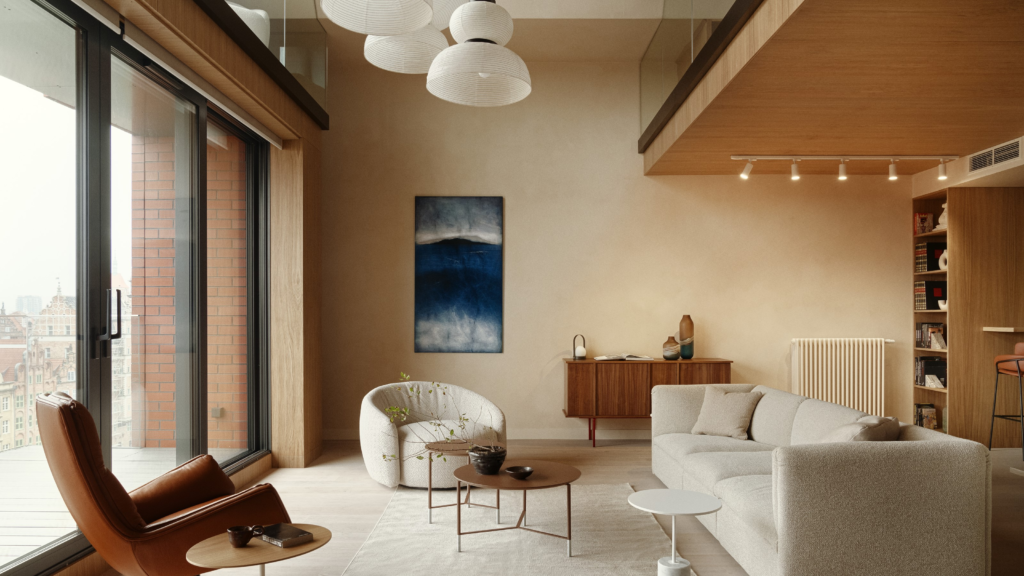
A beautifully designed living room — where art, function, and emotion meet perfectly. | MintPalDecor
The Art of Transforming Empty Spaces Into Living Stories
At its most fundamental level, interior design is interesting because it transforms something purely functional — four walls, a floor, a ceiling — into an experience. An empty room is a blank canvas, and the designer is the artist who decides whether that canvas will tell a story of warmth and family, sleek productivity, romantic intimacy, or bold creative ambition.
Unlike a painting that hangs on a wall and is observed from a distance, interior design is immersive. You do not look at a well-designed room — you live inside it. You breathe its air, feel the textures underfoot, and absorb its colors at the edges of your vision even when you are not consciously thinking about them. This three-dimensional, full-sensory nature of the craft is one reason why so many people find it endlessly fascinating to study and practice.
Why Interior Design Is Interesting for Creative Minds
For those who are drawn to creative expression, interior design offers something that few other creative disciplines can match: immediate, tangible results. A writer spends months producing a manuscript that readers will interpret in their own imaginations. A graphic designer creates visuals that live on a screen. But an interior designer reshapes the physical world — and the people who inhabit that redesigned space will feel the difference the moment they walk through the door.
There is also an incredible breadth of creative possibility within the field. Minimalist design challenges you to achieve maximum impact with absolute restraint. Maximalist design invites you to layer textures, colors, and patterns in ways that feel curated rather than chaotic. Mid-century modern, Japandi, biophilic design, industrial chic, coastal grandmother aesthetic — the number of style vocabularies a designer can speak is virtually unlimited, and new ones continue to emerge every year.
| 💡 Did You Know? The global interior design market was valued at over $150 billion USD in 2023 and is projected to grow steadily through 2030. This explosive growth reflects just how seriously people take the spaces they call home, work, and play. |
Psychology, Mood, and the Hidden Science of Space
One of the most surprising — and captivating — dimensions of interior design is just how deeply rooted it is in human psychology. Color is the most well-known example: research consistently shows that warm tones like terracotta, burnt orange, and gold stimulate appetite and conversation, which is why they dominate restaurant interiors. Cool blues and greens lower heart rate and promote focus, making them ideal for home offices and meditation corners.
But the psychological science goes much further than color. The height of a ceiling affects how expansive or intimate a space feels. The arrangement of furniture determines whether people feel invited to linger or subtly encouraged to move on. The amount of natural light directly impacts serotonin levels and circadian rhythm regulation. Even the scent of a room plays a measurable role in how comfortable and at ease inhabitants feel.
How Interior Design Shapes Mental Well-Being
This connection between design and mental health has never been more culturally recognized than it is today. The global pandemic forced billions of people to spend extended periods inside their homes, and for many, it became painfully clear that a poorly designed space could amplify stress, anxiety, and a sense of confinement. Meanwhile, people who redesigned even small corners of their homes reported significant improvements in mood and productivity.
Interior design is interesting mintpaldecor precisely because it gives ordinary people the tools to become architects of their own psychological environments. You do not need a massive renovation budget to make a space feel more nurturing. Sometimes it is as simple as repositioning a mirror to double natural light, swapping heavy curtains for linen sheers, or introducing a cluster of low-maintenance plants to add life and oxygen to a stagnant room.
| 🎨 Why Interior Design Is Interesting: The 6 Pillars | |
| 🧠 Psychology of Space | Colors, textures, and layouts directly influence mood, focus, and emotional well-being. |
| 🎭 Personal Expression | Every design choice tells a story about who you are and how you want to live. |
| 📐 Problem Solving | Fitting function into form—solving spatial challenges with elegance and creativity. |
| 🌿 Sustainability | Modern design integrates eco-friendly choices and biophilic principles. |
| 💼 Career Opportunity | A booming industry with diverse paths—residential, commercial, digital, and more. |
| ✨ Immediate Impact | Unlike most arts, interior design creates results you can live and feel instantly. |
Interior Design as Personal Identity — Your Space Speaks Before You Do
Walk into someone’s home for the first time and you already know a great deal about them before they say a word. The books stacked on the coffee table, the artwork on the walls, the deliberate absence of clutter — every detail communicates values, interests, personality, and priorities. This is one reason why why interior design is interesting mintpaldecor resonates so strongly with people who think about self-expression and personal identity.
Your home is arguably the only environment in modern life where you have near-total creative control. Unlike a rented office cubicle or a public street, your living space can be shaped entirely according to your vision. That creative autonomy is deeply empowering, and it is why people invest not just money but emotional energy into the spaces they design — because they are, in a very real sense, designing themselves.
The Role of Cultural Heritage in Interior Aesthetics
Another fascinating layer is the way interior design absorbs and reflects cultural heritage. Moroccan interior design, with its intricate geometric tilework, warm jewel tones, and lantern lighting, tells a visual story of Islamic art and North African craftsmanship going back centuries. Scandinavian design, rooted in concepts of hygge and simplicity, speaks to long winters, communal warmth, and a philosophical relationship with nature. Japanese wabi-sabi celebrates imperfection and transience through asymmetrical arrangements, raw natural materials, and intentional emptiness.
When people incorporate elements of their cultural heritage into their homes — a hand-woven rug, ceramic plates from a market visited abroad, or architectural details reminiscent of a childhood home — they are doing something profoundly meaningful. They are making space not just for furniture but for memory, ancestry, and belonging. That depth is a huge part of what makes interior design so endlessly rich and interesting to explore.
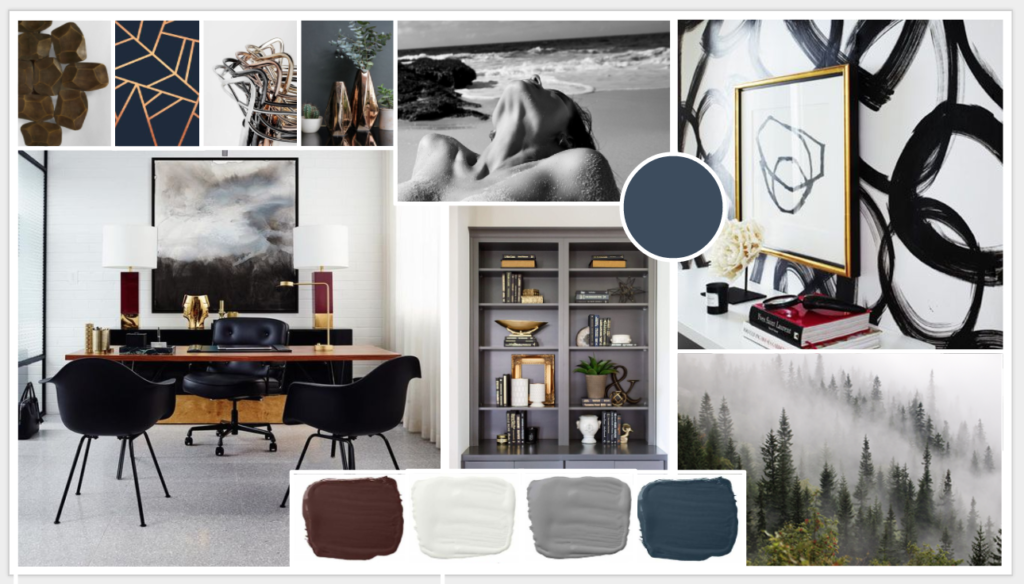
Behind every stunning room is a thoughtful process — mood boards, layouts, and endless creative problem-solving. | MintPalDecor
The Fascinating Problem-Solving at the Heart of Design
Many people assume interior design is purely aesthetic — that it is about making things look pretty. But anyone who has worked seriously in the field will tell you that interior design is fundamentally a problem-solving discipline, and that is a big part of what makes it so intellectually stimulating.
Consider a small city apartment with poor natural light, awkward angles, and a client who needs it to function simultaneously as a home office, a guest bedroom, a dining room, and an entertaining space. The designer must solve a spatial puzzle worthy of an architect, a furniture engineer, and a lighting technician all rolled into one. How do you make a 500-square-foot space feel generous rather than cramped?
Space Planning: Where Logic Meets Creativity
Space planning is one of the most technical and satisfying elements of the craft. It involves creating a detailed floor plan that maximizes flow, function, and proportion. A good space plan ensures that traffic moves naturally through a room without interruption, that furniture is scaled appropriately to the space, that focal points draw the eye in the right direction, and that every square foot serves a meaningful purpose.
Getting space planning right requires a blend of analytical thinking and intuitive spatial awareness that is genuinely rare — and genuinely satisfying when it clicks into place. This is exactly why interior design appeals to people who love both creative challenges and logical problem-solving. It rewards both hemispheres of the brain in equal measure.
Lighting Design: The Most Underrated Element
Of all the design elements that transform a space, lighting is perhaps the most underestimated by beginners and the most obsessed-over by professionals. Lighting design encompasses natural light management, layered artificial lighting (ambient, task, and accent), color temperature, and the artful use of shadows to create depth and drama.
A room that is lit correctly feels alive in a way that even the most expensive furniture cannot manufacture. Warm, layered lighting in a living room creates a sense of intimacy and ease that overhead fluorescent lighting destroys in seconds. The rise of smart lighting systems has added yet another dimension to this craft, allowing designers to program entire moods into a space with a single voice command.
| Interior design is a noble art — one where the practitioner not only creates beauty but improves how people feel in the spaces they inhabit. That responsibility is both humbling and endlessly exciting. — Timeless principle in design philosophy |
Why Interior Design Is Interesting Mintpaldecor: Sustainability & the Future of Design
The interior design field is undergoing a profound evolution, and sustainability is at the center of it. Today’s most forward-thinking designers are not just asking ‘does this look good?’ — they are asking ‘what is this made from, where did it come from, and where will it go when it is no longer needed?’ This ethical dimension adds yet another layer of depth and interest to the discipline.
Biophilic design — the practice of integrating natural elements like plants, water features, natural light, organic shapes, and raw materials such as stone and wood into interior spaces — has moved from niche wellness trend to mainstream design philosophy. Research supports the intuition behind it: people feel calmer, more creative, and more connected to their environment when nature is present in the spaces they inhabit.
The Rise of Conscious Design Choices
Sustainable interior design encompasses a wide range of practices — from choosing furniture made from reclaimed or FSC-certified wood, to specifying low-VOC paints that improve indoor air quality, to repurposing vintage pieces rather than buying new. This intersection of design with environmental values resonates especially strongly with younger generations, who want their homes to reflect their principles as well as their aesthetic preferences.
The concept of ‘slow design’ — an antidote to fast, trend-driven decorating — is also gaining significant traction. Rather than chasing seasonal micro-trends that date quickly and create waste, slow design prioritizes timeless choices, quality craftsmanship, and pieces that are bought once and kept for a lifetime.
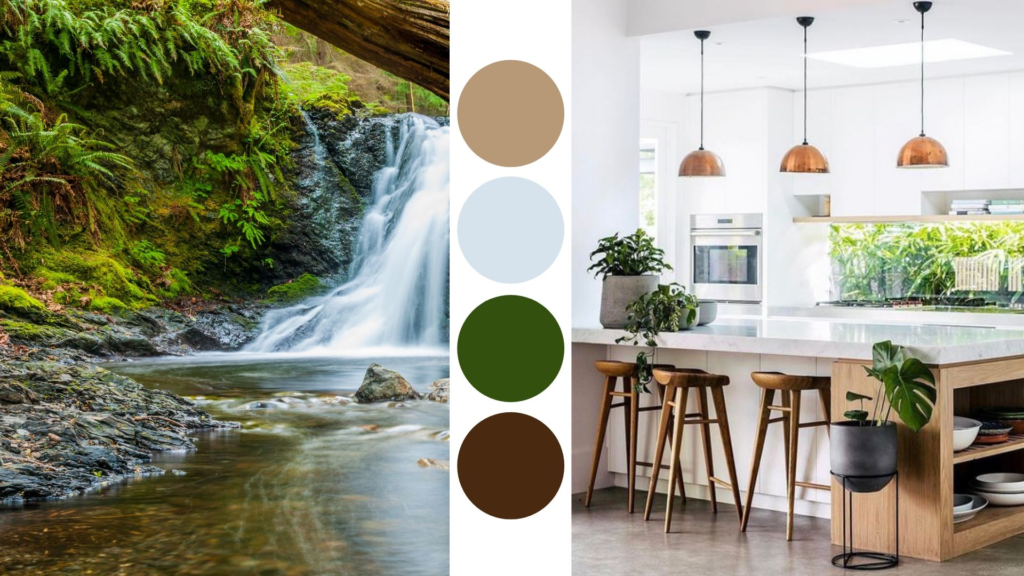
A thoughtfully curated color palette and mood board — the foundation of every great interior design project. | MintPalDecor
Technology’s Role in Modern Interior Design
Technology has added extraordinary new dimensions to what is possible in interior design. Augmented reality tools now allow clients to see exactly how a piece of furniture will look in their room before purchasing. 3D visualization software lets designers present photorealistic renderings of a completed project before a single piece of furniture is moved.
AI-powered design tools are beginning to assist with mood board generation, color palette suggestions, and even preliminary floor plan layouts. Rather than replacing human designers, these tools free up creative bandwidth — allowing professionals to focus on the nuanced, emotionally intelligent aspects of design that no algorithm can replicate.
Career Paths in Interior Design: A World of Exciting Possibilities
For those considering why interior design is interesting as a professional pursuit, the career landscape is far more diverse than most people realize. The popular image of the residential designer helping wealthy clients redesign their homes is just one corner of a vast and varied field.
Residential vs. Commercial Design
Residential interior design is intensely personal — it involves forming deep working relationships with clients, understanding their lifestyle intimately, and creating spaces that support the specific rhythms of their daily lives. Commercial interior design, by contrast, operates at a larger scale: how does a retail space maximize customer dwell time? How does a hospital waiting room reduce anxiety while meeting accessibility standards? How does a hotel lobby immediately communicate a brand’s personality?
Both paths are fascinating, but they reward different skills. Residential design tends to suit those who are deeply empathetic and relationship-driven. Commercial design often appeals to those excited by large-scale problem solving, brand strategy, and the complex dance of coordinating contractors, architects, and corporate stakeholders.
Emerging Niches in Interior Design
- Healthcare design: Creating hospital and clinic environments that measurably improve patient outcomes and reduce stress for medical staff.
- Hospitality design: Shaping the experience of hotels, restaurants, spas, and resorts where atmosphere is literally part of the product being sold.
- Set design and film production design: Building entire fictional worlds that support storytelling on screen.
- Exhibition and museum design: Guiding visitors through curated experiences that inform, inspire, and emotionally engage.
- Virtual and metaverse interior design: An entirely new frontier — designing spaces that exist only in digital environments but are increasingly inhabited by real human attention.
- Sustainable and biophilic design consulting: Advising businesses and governments on how to make built environments healthier, greener, and more human-centered.
| Ready to Transform Your Space? Whether you’re redecorating a single room or planning a complete home makeover, MintPal Decor has the inspiration, tips, and expert guidance you need to bring your vision to life. → Explore MintPal Decor Ideas at mintpaldecor.com |
The Emotional Reward of a Well-Designed Space
Perhaps the most compelling answer to the question of why interior design is interesting mintpaldecor is simply this: few things in life are as personally rewarding as living in a space that was designed with intention and care. There is a quiet, continuous pleasure in waking up in a bedroom that feels like a sanctuary — where the light is soft, the palette is calming, and every object in your line of sight was chosen because it brings you joy or serves you well.
This reward is not reserved for those with large budgets. Some of the most beautifully designed homes in the world have been created on modest means, through patience, creative resourcefulness, and an understanding of design principles. The ability to shop vintage, repurpose, DIY, and layer textures intelligently can achieve results that rival far more expensive approaches — and that is an empowering truth that makes interior design accessible and interesting to virtually everyone.
How Interior Design Creates Community and Connection
Well-designed spaces do not just improve individual well-being — they also shape how people connect with each other. A thoughtfully arranged dining room, with lighting at the right height, seating that invites lingering, and an atmosphere of warmth and welcome, does not just host dinners. It creates the conditions for real conversation, laughter, and the kind of connection that becomes the fabric of family and friendship memories over years and decades.
Similarly, well-designed public spaces — community centers, libraries, parks with thoughtful infrastructure — have been shown to increase civic engagement, reduce crime, and foster a sense of belonging that has measurable social benefits. Interior design, at its most ambitious, is therefore not just an aesthetic exercise. It is an act of community-building and even social justice, ensuring that all people have access to spaces that support their dignity and humanity.
Frequently Asked Questions
| Q: What makes interior design an interesting career choice? |
| Interior design offers a rare combination of creative freedom, intellectual challenge, and tangible human impact. You work at the intersection of art, psychology, architecture, and sustainability — and the results are spaces that people live and breathe in every day. The field is also diverse, with paths ranging from residential design to healthcare, hospitality, commercial, and even digital metaverse spaces. |
| Q: Why is interior design interesting from a psychological standpoint? |
| Interior design is deeply rooted in environmental psychology. The colors, textures, lighting, and spatial arrangements of a room directly influence how people feel — their mood, their stress levels, their creativity, and their sense of well-being. Designers are, in a very real sense, architects of human experience, and that psychological dimension makes the discipline fascinating at both a professional and personal level. |
| Q: How does interior design reflect personal identity? |
| Your home is one of the few spaces in modern life where you have near-total creative control. The choices you make — from the art on your walls to the arrangement of your furniture to the textures underfoot — communicate your values, your personality, your cultural heritage, and your aesthetic sensibility. Interior design is therefore a deeply personal form of self-expression. |
| Q: Is interior design interesting even on a small budget? |
| Absolutely. Some of the most beautifully designed spaces have been created on very modest budgets through vintage shopping, DIY projects, thoughtful repurposing, and an understanding of core design principles. Knowing how to use color, light, texture, and proportion intelligently can create extraordinary results without requiring expensive furniture or major renovations. |
| Q: What role does sustainability play in modern interior design? |
| Sustainability is increasingly central to the interior design field. This includes choosing furniture made from reclaimed or responsibly sourced materials, specifying low-VOC paints to improve indoor air quality, integrating biophilic elements like plants and natural materials, and embracing a ‘slow design’ philosophy that prioritizes quality and longevity over fast, trend-driven choices. |
| Q: How is technology changing interior design? |
| Technology is transforming the industry in exciting ways. Augmented reality apps let people see how furniture will look in their actual rooms before buying. 3D visualization tools allow designers to present photorealistic project renderings before any physical work begins. AI-powered tools assist with mood board creation and color palette suggestions, while smart home technology allows entire room moods to be created and saved. |
| Q: What is biophilic design and why is it so popular? |
| Biophilic design is the practice of incorporating natural elements — plants, natural light, water features, organic materials like wood and stone, and natural shapes — into interior spaces. Research consistently shows that contact with nature, even simulated through design, reduces stress, improves mood, boosts creativity, and enhances overall well-being. It has become one of the dominant philosophies in contemporary interior design. |
| Q: Can interior design improve mental health? |
| Yes — there is substantial evidence that thoughtfully designed environments positively impact mental health. Spaces with ample natural light support healthy circadian rhythms. Calming color palettes reduce anxiety. Clutter-free spaces lower cortisol levels. Access to natural materials and greenery reduces stress. The pandemic accelerated widespread public awareness of this connection, as people working from home discovered how profoundly their environment affected their emotional functioning. |
| Q: What is the ‘slow design’ movement in interior design? |
| Slow design is a philosophy that emphasizes intentionality, quality, and longevity over the trend-driven, fast-consumption approach that characterized much of 20th-century decorating. Rather than chasing seasonal micro-trends, slow design encourages buying fewer, better things — choosing pieces with real craftsmanship that will be lived with for years or decades. It aligns with sustainability values and tends to produce spaces that feel more personally meaningful and visually timeless. |
Conclusion
Interior design is interesting for the same reason that any great human discipline is interesting: it combines skill, creativity, knowledge, empathy, and purpose in ways that produce results that matter to real people living real lives. It is a field where art and science hold hands, where aesthetics and psychology inform each other, and where every project is ultimately a collaboration between a designer’s vision and a client’s humanity.
From the color on your bedroom walls to the ergonomics of your home office chair; from the way a well-placed mirror makes a hallway feel twice as wide, to the way a bowl of seasonal fruit on a kitchen counter makes an entire room feel alive — interior design is present in every moment of your domestic life, shaping your experience of it in ways both visible and invisible.
Whether you are drawn to it as a career, as a passionate hobby, or simply as a new lens through which to see your own home with fresh eyes, understanding why interior design is interesting mintpaldecor opens a door to a richer, more intentional relationship with the spaces you inhabit. And that, ultimately, is an investment in your own well-being, your own creative expression, and your own quality of life — one beautifully designed room at a time.
At MintPal Decor, we believe that great design should be accessible, inspiring, and deeply personal. Whether you are just starting your decorating journey or looking to refine a space you have lived in for years, we are here to help you discover what your home can truly be. Explore our guides, browse our curated inspirations, and start designing the life you deserve to live in.